Current Research
We combine evolutionary theory with modern genomics to investigate how genetic variation shapes phenotypes, from mating behavior to fertility to disease.
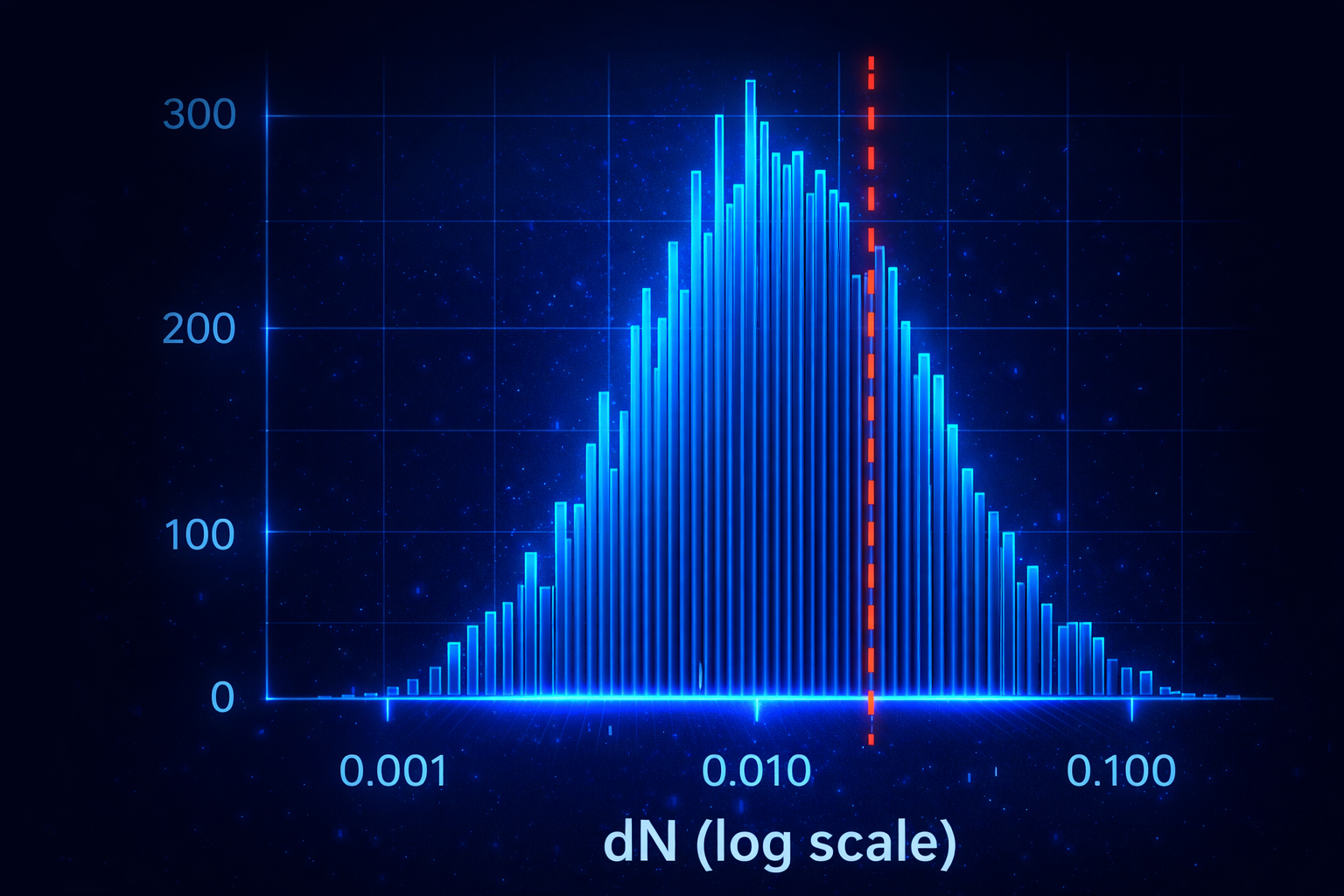 Histrogram of protein divergence across eight species of Drosophila
Divergence, diversity, and reproductive isolation
We study how genetic variation--from SNPs to duplicated genomic regions--is generated, structured, and maintained as populations diverge and new species form. By integrating population genomics with evolutionary theory, our work reveals how selection, drift, and gene flow interact to shape biological diversity across time and space.
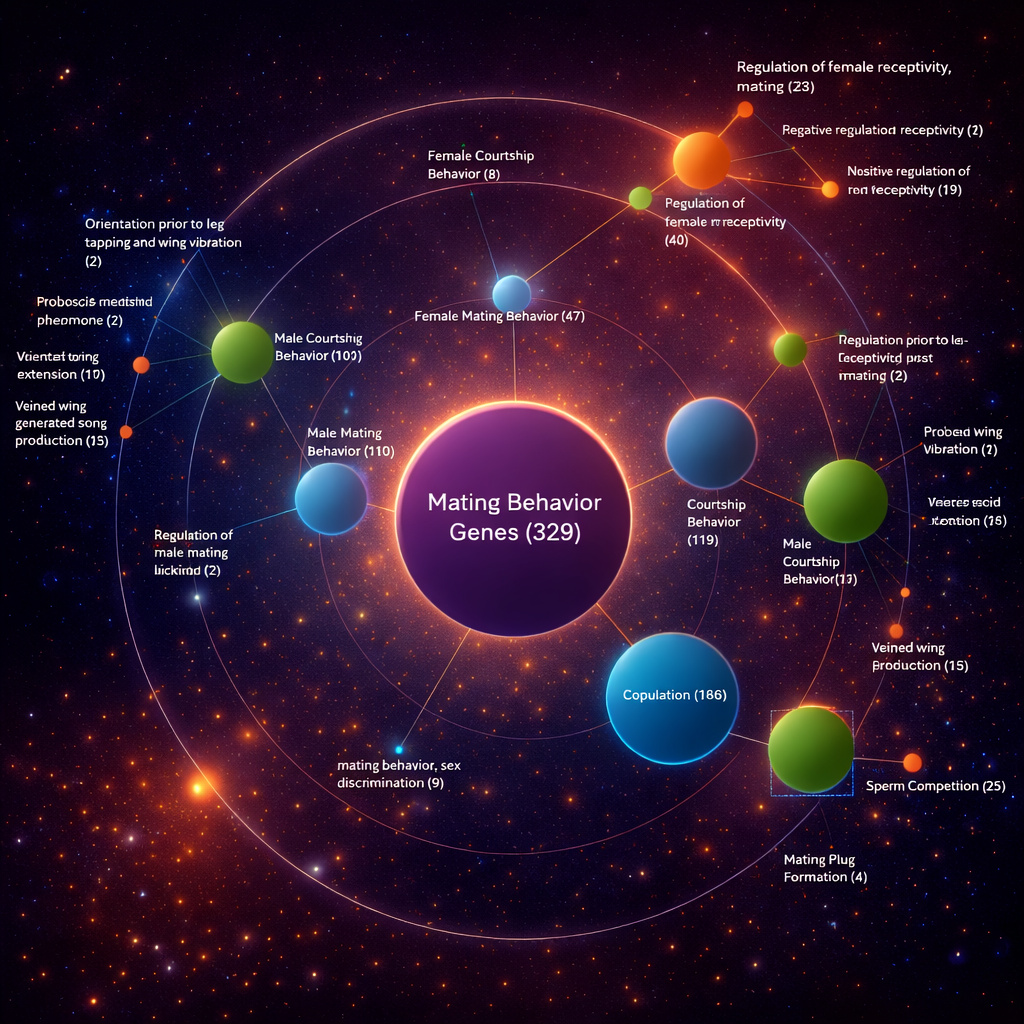 Valences of hierarchically connected reproductive ontological terms in Drosophila
Genomic architecture of reproductive traits
Reproductive traits sit at the interface of evolution, development, and fitness. Our research dissects the genomic architecture underlying these traits, identifying how networks of genes, regulatory elements, and interactions collectively influence reproductive isolation and evolutionary outcomes.
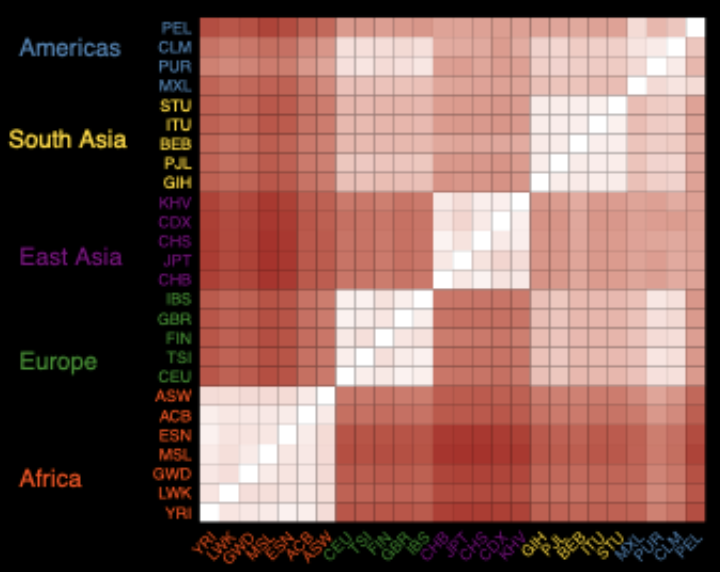 Correlation of ancestral informative markers across human populations
Ancestry, identity, population-specific variation
Human populations harbor rich and unevenly distributed genetic variation shaped by history, migration, and selection. We develop and apply population-aware genomic methods to understand how ancestry informs biological variation—while critically examining how genetic data intersect with identity, health, and equity.
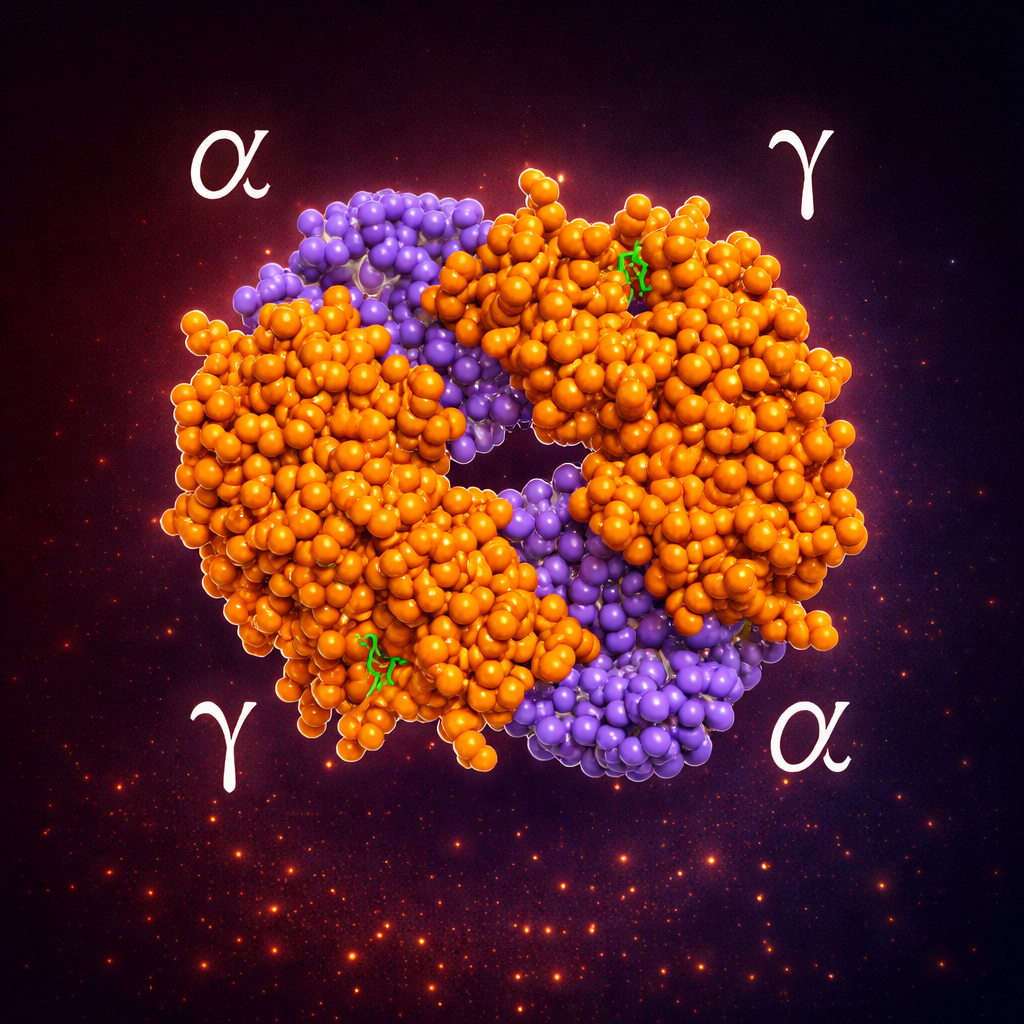 Epistasis in the fetal hemoglobin tetramer
Compensatory epistasis in proteins
Proteins evolve through complex interactions among amino acids, where the effect of a mutation often depends on its molecular context. We investigate epistasis at the protein level to understand how compensatory mutations stabilize function, constrain evolutionary paths, and shape adaptation across populations and species.